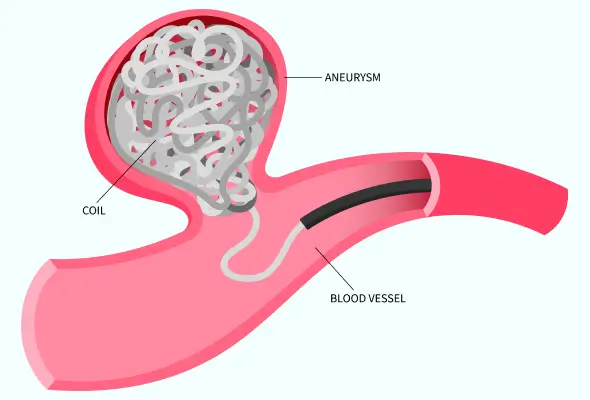
Aneurysm repair is a specialized surgical procedure used to treat a weakened or bulging blood vessel in the brain. If left untreated, an aneurysm can rupture and cause serious complications such as brain hemorrhage, stroke, or life-threatening bleeding.
The goal of aneurysm repair is to prevent rupture, protect brain function, and reduce the risk of future neurological complications. Modern treatment techniques provide safer and more effective outcomes for patients.
Diagnosis is typically performed using CT Scan, MRI, MR Angiography, or Cerebral Angiography. These tests help identify the size, location, and severity of the aneurysm and assist in treatment planning.
Treatment options may include surgical clipping or minimally invasive endovascular procedures such as coiling. The choice of treatment depends on the aneurysm's size, location, and overall patient health.
After treatment, patients require regular follow-up examinations and imaging studies to monitor recovery and ensure long-term vascular health. Early intervention and proper follow-up significantly improve outcomes.
